
Discovering the Mackenzie Country: Lakes, Mountains, Stars and High-Country History
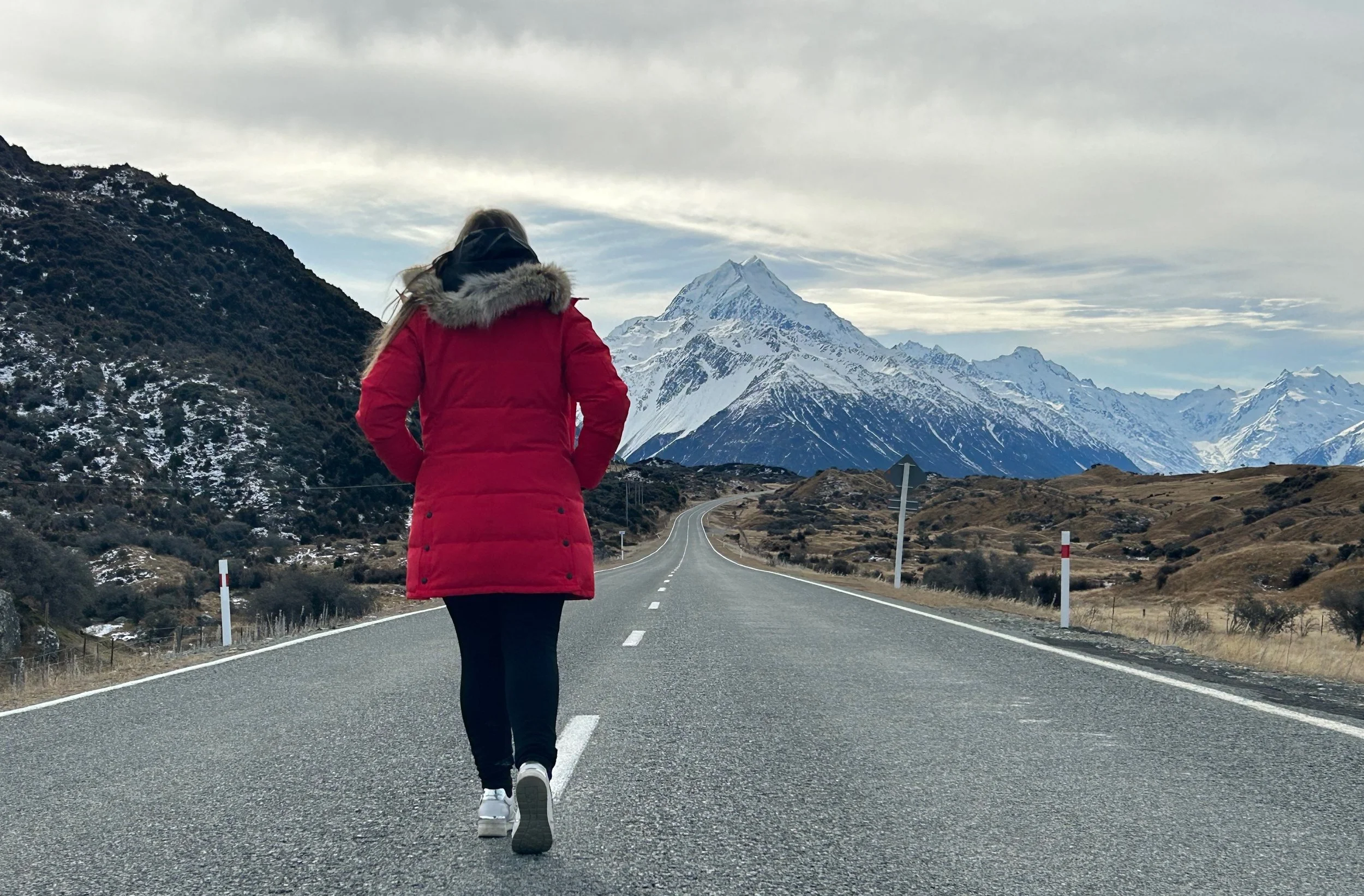
Walking towards Aoraki/Mount Cook creates one of the region’s most iconic photographs, with the towering mountain and surrounding alpine landscape providing an unforgettable backdrop.
The Mackenzie Country is one of the most visually striking regions in New Zealand. Surrounded by the Southern Alps and known for its turquoise lakes, golden tussock plains, glaciers and extraordinarily clear night skies, it is a place where the landscape feels both enormous and peaceful.
Located between Christchurch and Queenstown, the Mackenzie Country includes Lake Tekapo, Lake Pūkaki, Twizel and Aoraki/Mount Cook National Park. Many travellers pass through the region while travelling between the two cities, but it deserves much more than a quick roadside stop.
Spending two or three nights here gives you time to explore the lakes, enjoy short alpine walks, experience the night sky and see Aoraki/Mount Cook without rushing. It is also an excellent place to slow down during a longer private New Zealand itinerary.
A Brief History of the Mackenzie Country
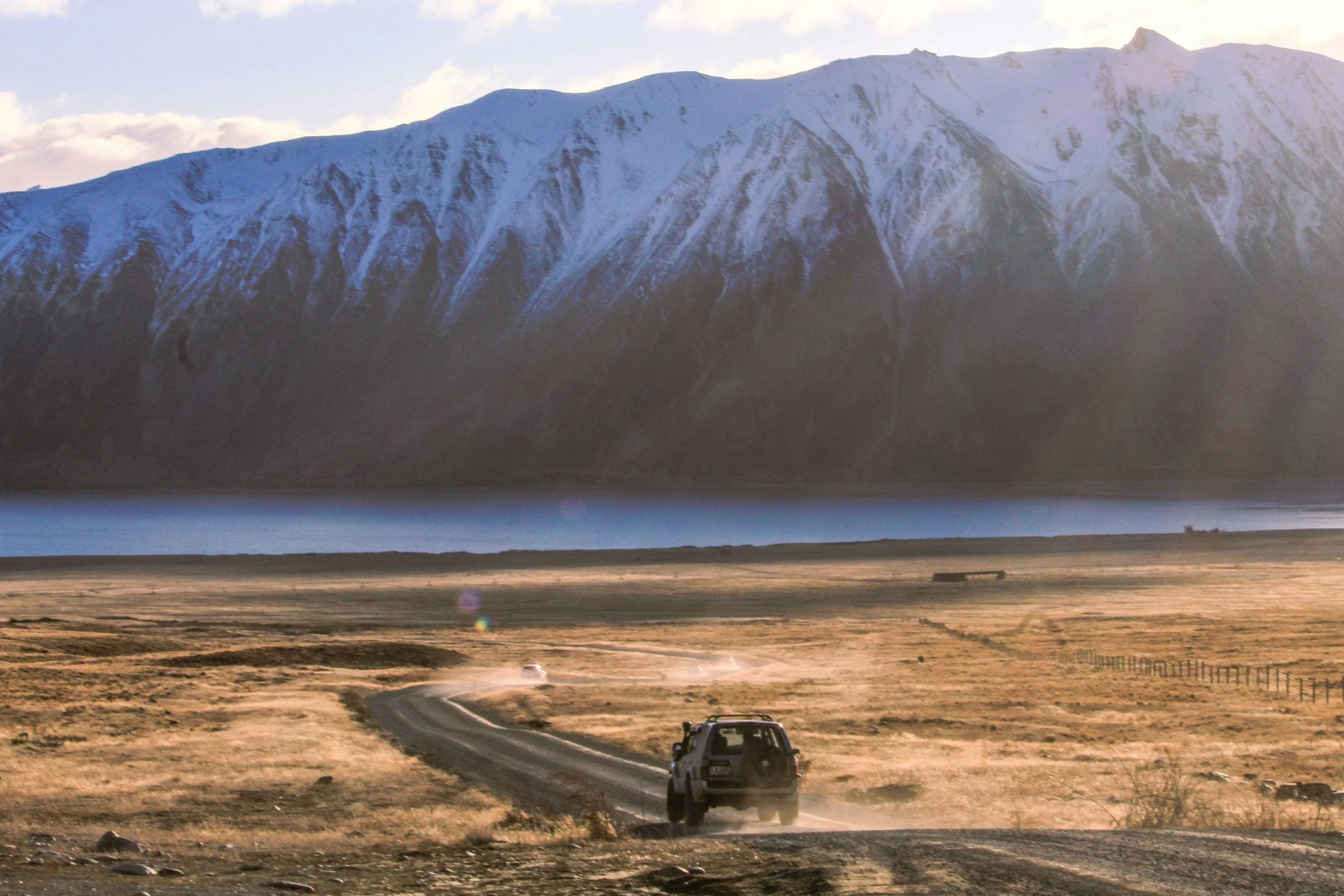
Golden tussock plains, grazing merino sheep and remote high-country stations reflect the farming heritage of the Mackenzie Country, framed by long gravel roads and the snow-covered Southern Alps.
Long before European settlement, Māori travelled through the Mackenzie Basin while gathering food, visiting seasonal hunting areas and moving between the eastern and western sides of Te Waipounamu, the South Island.
Aoraki holds immense cultural and spiritual importance for Ngāi Tahu. In Ngāi Tahu tradition, Aoraki is an ancestor and part of the creation story of the South Island. Today, the mountain’s official name, Aoraki/Mount Cook, recognises both its Māori heritage and its later European name.
The Mackenzie Country received its English name from James Mackenzie, a Scottish shepherd who was discovered moving stolen sheep through the area during the 1850s. His story became part of New Zealand folklore, although the region’s history reaches back far beyond this colourful colonial chapter.
European pastoral farming gradually transformed the basin into an important high-country farming region. Large sheep stations were established across the open plains, and merino wool became closely connected with the identity of the Mackenzie.
Hydroelectric development brought another period of major change during the 20th century. Twizel was constructed in the late 1960s as a base for workers building the Upper Waitaki hydroelectric scheme. Although it was originally expected to be dismantled after the project was completed, residents campaigned to save the town. Twizel is now a popular holiday destination and an excellent base for exploring the wider region.
The first scenic reserves around the Tasman and Hooker valleys were established in 1887. These protected areas were eventually consolidated into Aoraki/Mount Cook National Park in 1953.
Lake Tekapo and the Church of the Good Shepherd
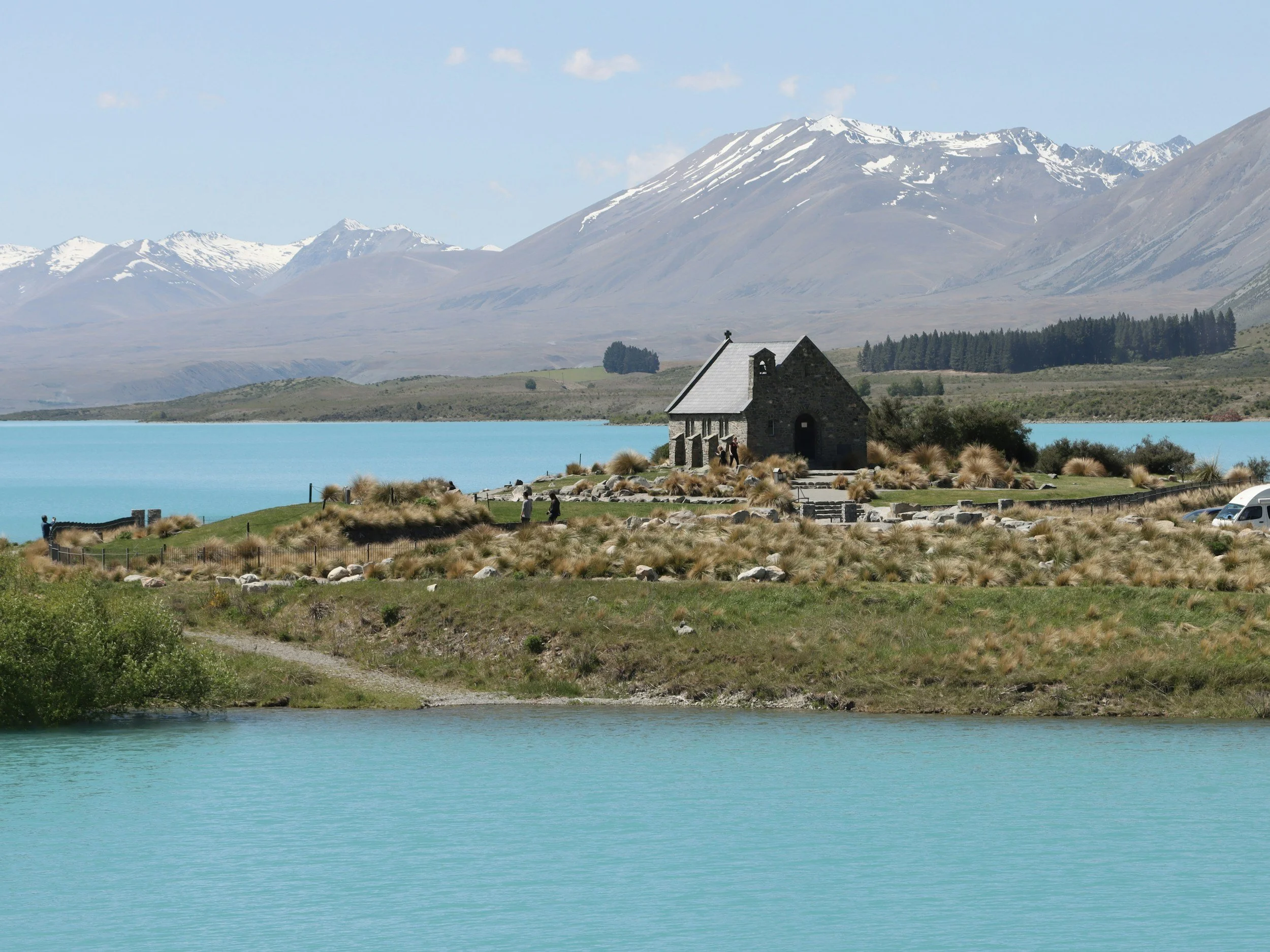
The Church of the Good Shepherd sits beside the turquoise waters of Lake Tekapo, framed by the open landscapes and distant mountains of the Mackenzie Country.
Lake Tekapo is often the first Mackenzie Country destination reached by travellers arriving from Christchurch.
The lake is famous for its vivid turquoise colour, created by fine particles of rock carried into the water by glaciers. On a clear day, the contrast between the blue water, golden hills and snow-covered mountains creates one of New Zealand’s most recognisable landscapes.
The small Church of the Good Shepherd sits near the lakeshore and has become one of the country’s most photographed buildings. Nearby, the bronze sheepdog statue acknowledges the working dogs that played such an important role in the development of the region’s high-country farms.
During late spring and early summer, lupins often flower around the lake and along roadsides. They create beautiful displays, although travellers should remember that lupins are an introduced plant rather than a native New Zealand wildflower.
Lake Tekapo is also a good place to enjoy a scenic flight, soak in the hot pools, walk along the lakeshore or visit one of the local stargazing experiences.
The Aoraki Mackenzie International Dark Sky Reserve

The Mackenzie Country is just as impressive after the sun goes down.
Lake Tekapo, Lake Pūkaki and Aoraki/Mount Cook sit within the Aoraki Mackenzie International Dark Sky Reserve. Covering approximately 4,367 square kilometres, it is the largest dark-sky reserve in the Southern Hemisphere.
Low levels of light pollution make it possible to see an extraordinary number of stars on a clear night. Depending on the season and conditions, visitors may see the Milky Way, the Southern Cross, planets, satellites and distant star clusters.
Guided astronomy tours are available in Lake Tekapo and Aoraki/Mount Cook. These experiences combine powerful telescopes with explanations of astronomy and, in selected experiences, Māori knowledge of the night sky.
Because stargazing tours depend on weather and cloud cover, we recommend staying for at least two nights when the night sky is an important part of your visit.
Lake Pūkaki and the Road to Aoraki/Mount Cook
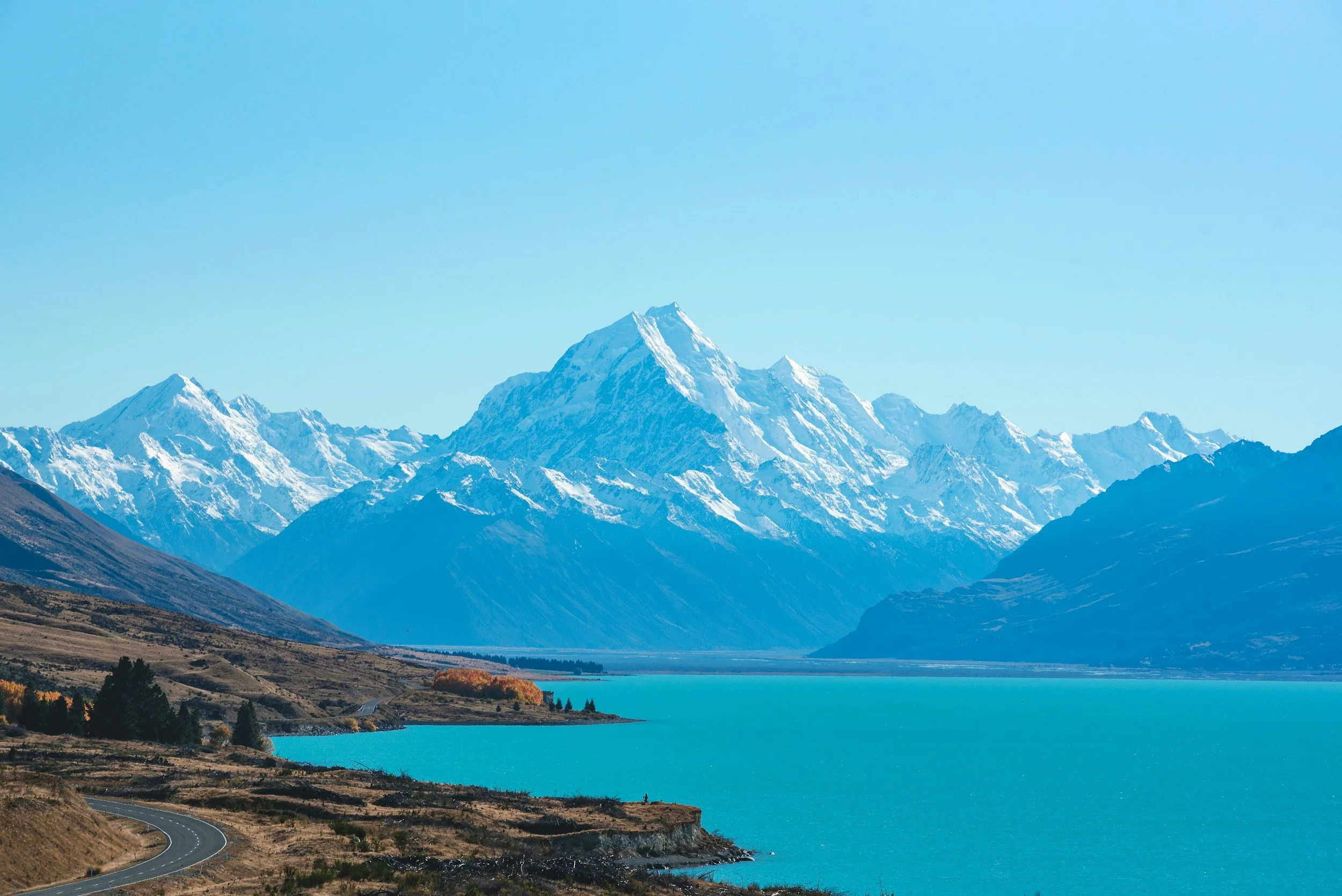
The scenic road beside Lake Pūkaki offers constantly changing views of turquoise water, open high country and Aoraki/Mount Cook rising in the distance.
Lake Pūkaki provides one of the most memorable views in the Mackenzie Country.
Like Lake Tekapo, its remarkable turquoise colour comes from glacial rock particles suspended in the water. On a clear day, Aoraki/Mount Cook rises beyond the northern end of the lake, creating a view that regularly appears in New Zealand travel photography.
The drive from Lake Pūkaki to Aoraki/Mount Cook Village follows the western side of the lake. It is one of the most scenic roads in the country, with changing views of the Southern Alps, braided rivers and glacial valleys.
Allow plenty of time for this journey. Although the road is not especially long, there are several places where you will want to stop for photographs.
Exploring Aoraki/Mount Cook National Park
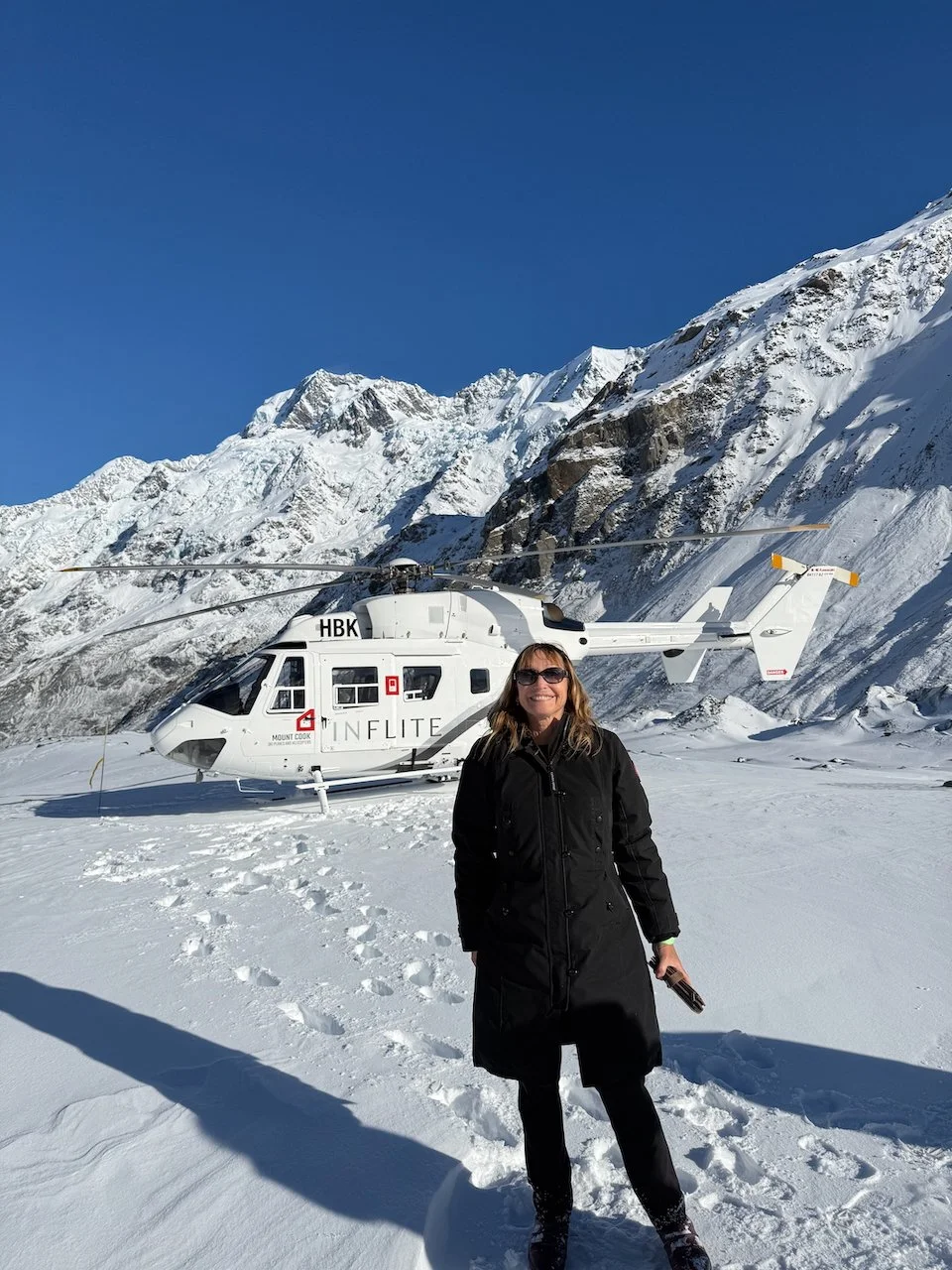
A scenic helicopter flight reveals the immense scale of Aoraki/Mount Cook National Park, with aerial views across glaciers, alpine valleys and the Southern Alps.
Aoraki/Mount Cook is New Zealand’s highest mountain, and the national park contains 19 peaks rising above 3,000 metres.
There are walking options for different interests and fitness levels. Shorter choices include the Tasman Glacier View Track, the Blue Lakes area and walks around Aoraki/Mount Cook Village. Longer and more challenging tracks provide closer views of glaciers, alpine valleys and surrounding peaks.
Scenic flights by helicopter or ski plane offer another perspective of the region. Some flights include a landing on a glacier, depending on weather and snow conditions.
Other possible experiences include guided walks, glacier kayaking or boat excursions, photography tours and visits to the Sir Edmund Hillary Alpine Centre.
Weather can change quickly in the mountains, so it is important to have flexible plans and suitable clothing, even during summer.
When Does the Mackenzie Country Get Busy?
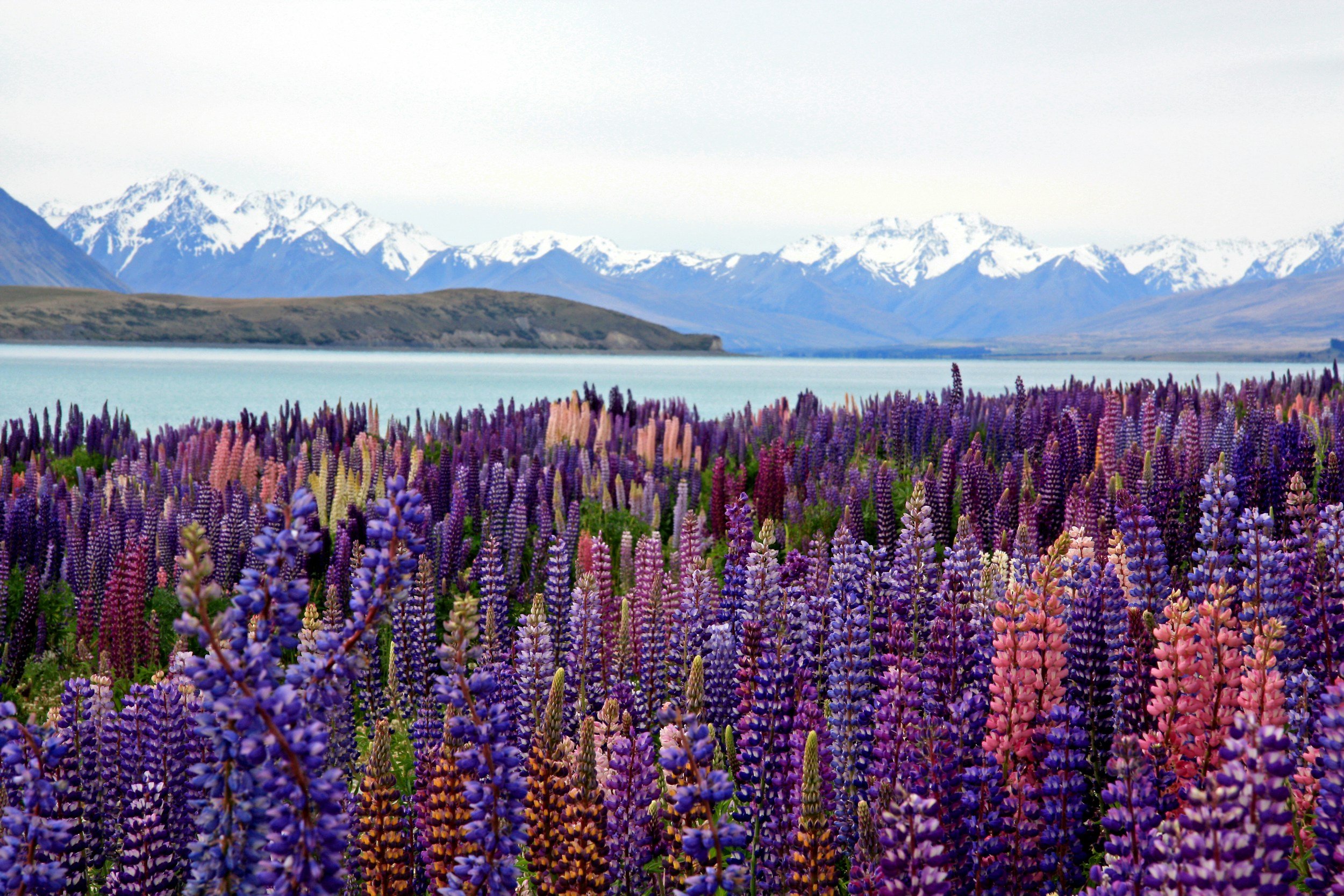
Late spring and early summer bring colourful displays of lupins around Lake Tekapo, making this one of the Mackenzie Country’s most photographed seasons.
The busiest period generally runs from November through March, when the weather is warmer and conditions are better suited to walking, cycling and outdoor activities. Visitor numbers are particularly high around Christmas, New Year and the main summer school-holiday period.
Lake Tekapo and Aoraki/Mount Cook can also become busy during Easter, long weekends and the late-November-to-early-January lupin flowering season.
Accommodation at Aoraki/Mount Cook Village is limited and can sell out well in advance. Lake Tekapo also fills quickly during popular travel periods, while stargazing tours and scenic flights may have limited availability.
Autumn can be a wonderful alternative, with cooler temperatures and fewer visitors. Winter brings snow-covered landscapes and crisp nights, although road conditions and some activities can be affected by ice or weather. Spring offers longer days and beautiful scenery, but alpine weather can remain unpredictable.
How New Zealand Private Tours Can Help
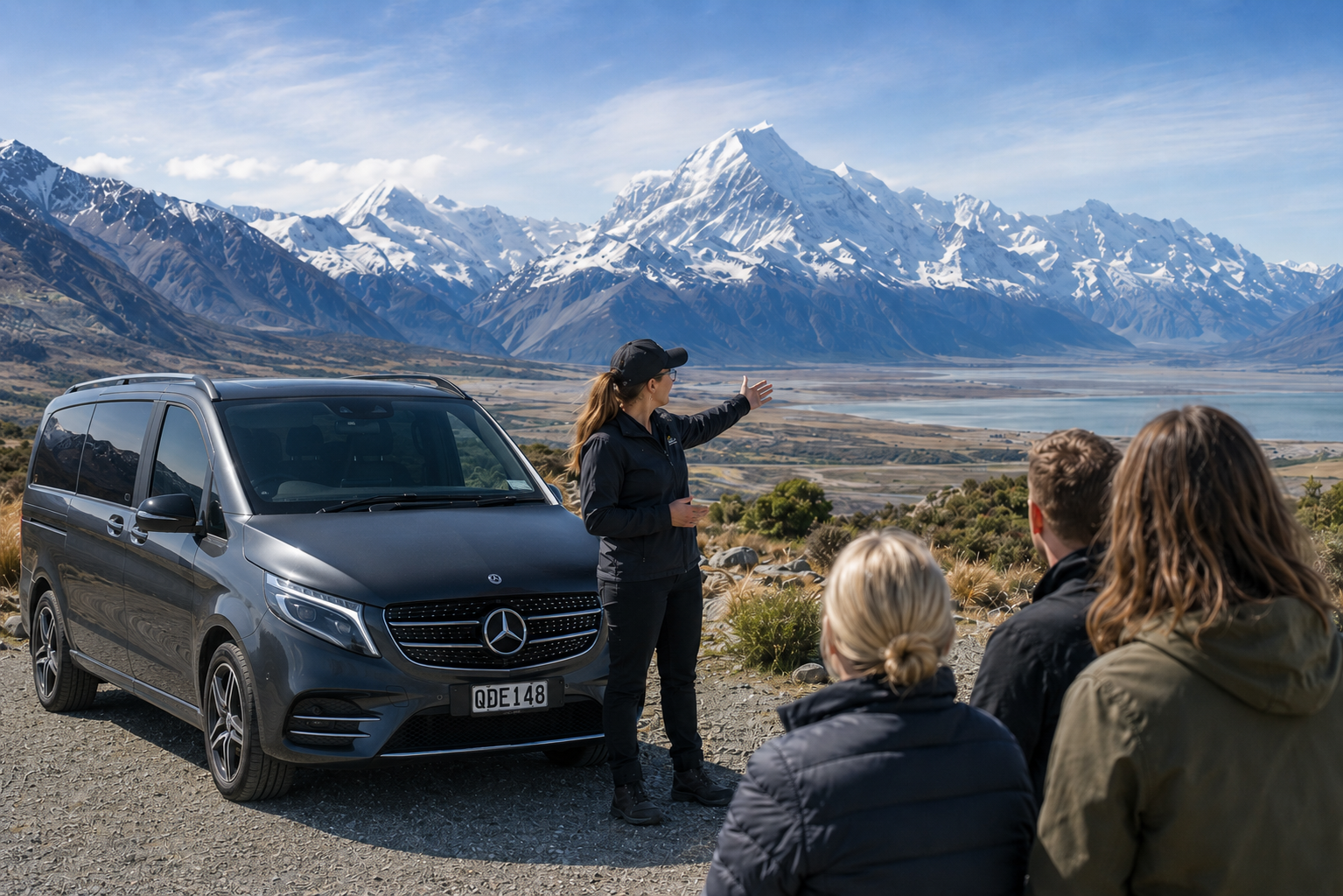
Exploring the wide-open landscapes of the Mackenzie Country with a knowledgeable local guide allows you to discover the region at a relaxed pace, with time for scenic stops, stories and hidden viewpoints along the way.
The Mackenzie Country may appear straightforward on a map, but good planning makes a significant difference.
At New Zealand Private Tours, we can incorporate the region into a fully customised New Zealand itinerary, whether you are travelling with a private driver or choosing a carefully planned self-drive journey.
We can recommend how many nights to stay, select accommodation to suit your preferred level of comfort and arrange the journey with a private driver, carefully planned self-drive travel, or a combination of both.
We also plan the journey around the Mackenzie Country rather than treating it as an isolated stop. This may include a scenic route from Christchurch through Geraldine and Fairlie, continuing from Aoraki/Mount Cook to Wānaka or Queenstown, or combining the region with the Waitaki Valley and the east coast.
Most importantly, we build flexibility into the itinerary. Mountain weather can affect flights, walks and visibility, so arranging activities in the right order and allowing enough time gives you a much better chance of enjoying the region at its best.
The Mackenzie Country is more than a beautiful road between Christchurch and Queenstown. With enough time and thoughtful planning, it can become one of the most memorable parts of your New Zealand journey.
Would you like to include Lake Tekapo, Lake Pūkaki and Aoraki/Mount Cook in your New Zealand itinerary?
We can help plan the route, accommodation and experiences around your preferred travel style.